
Canals, art, and flavors along the Ria
Aveiro is a charming city where land and water intertwine in perfect harmony. Nicknamed the "Portuguese Venice," this city developed along navigable canals fed by the Ria de Aveiro, which shape not only the landscape but also the local identity. In the past, it was one of the country's main coastal ports, but with the silting up of the estuary, it was forced to reinvent itself. In the 19th century, artificial canals were dug to drain the marshes and revitalize the economy, making Aveiro an important center for salt production and seaweed transport, activities that still today lend authenticity and pride to the city.
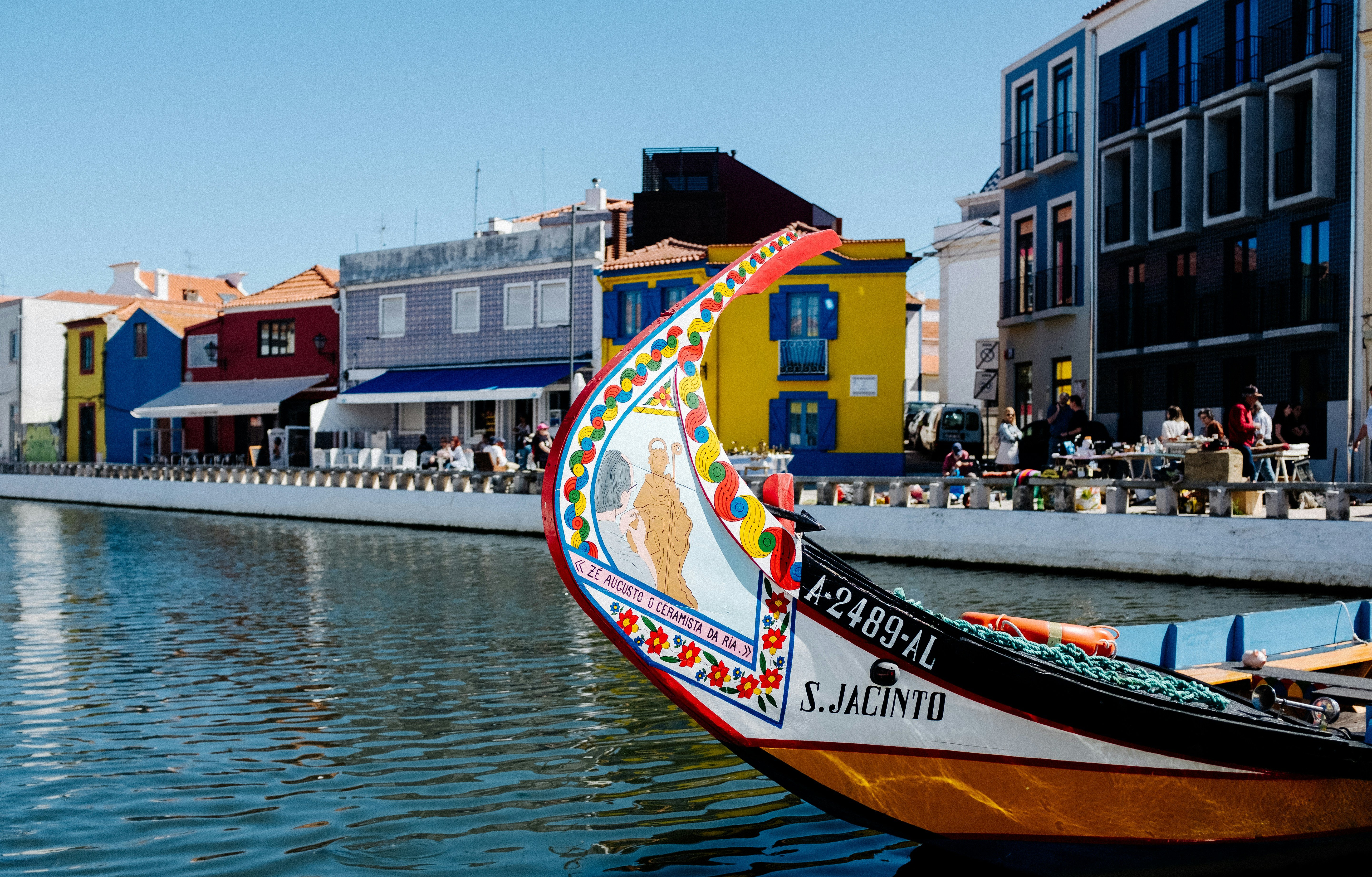
Small, bright, and flat, Aveiro is made to be explored at the pace of the water. Strolling along the canal banks, crossing ornate pedestrian bridges, and admiring the colorful reflections of the traditional boats, the moliceiros, is one of the most peaceful and beautiful experiences Portugal has to offer.
Secrets of Aveiro’s Museums
The museums reveal the historical and cultural wealth of Aveiro, highlighting spaces that combine tradition, art, and regional identity. From the spirituality and sacred art in the former Convent of Jesus to the salt marsh landscapes and modernity of Art Nouveau, each museum offers unique and unforgettable experiences.
Main Museums and Experiences
Tips for your visit
- Allow enough time for each museum: every space offers a unique experience.
- Immerse yourself in the local culture: the museums are gateways to Aveiro’s past and present.
- Check opening hours and schedules: some venues host special events and temporary exhibitions.
- Combine experiences: complement your museum visits with a moliceiro boat ride, a stroll through the Beira Mar district, and a tasting of Aveiro’s famous ovos moles.
-
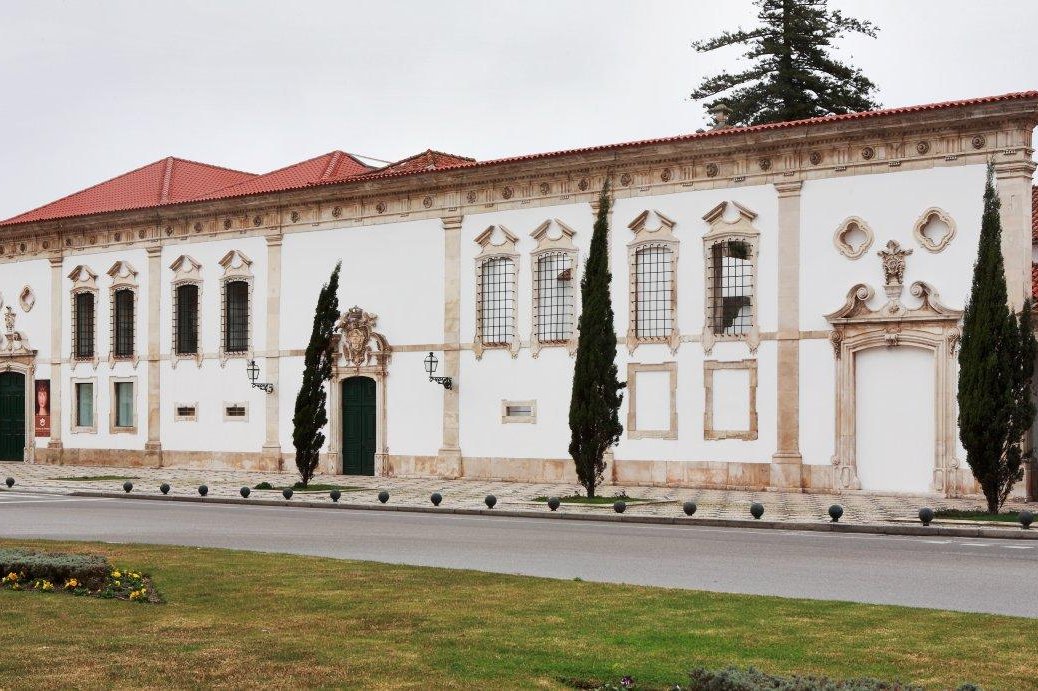
Aveiro Museum / Santa Joana
- Located in the former Convent of Jesus.
- Famous for housing the tomb of Saint Joana, patron saint of Aveiro.
- Extensive collection of valuable sacred art.
- Highlighting the Church of Jesus, with its magnificent gilded woodwork and tiles.
-
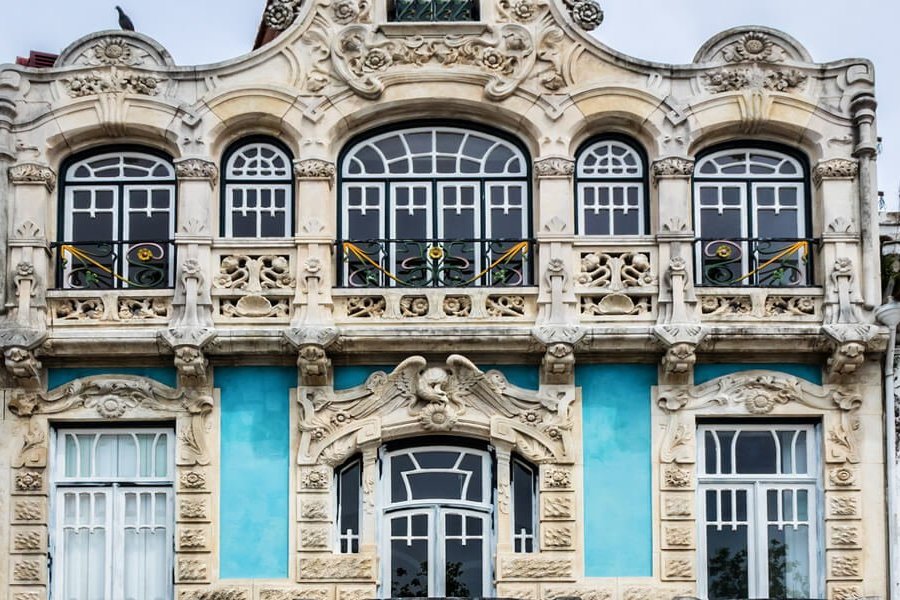
Art Nouveau Museum
- Dedicated to the Art Nouveau movement, which left a strong mark on the city.
- Allows visitors to explore the architecture, design, and décor of the era.
- Includes visits to iconic buildings and spaces.
-
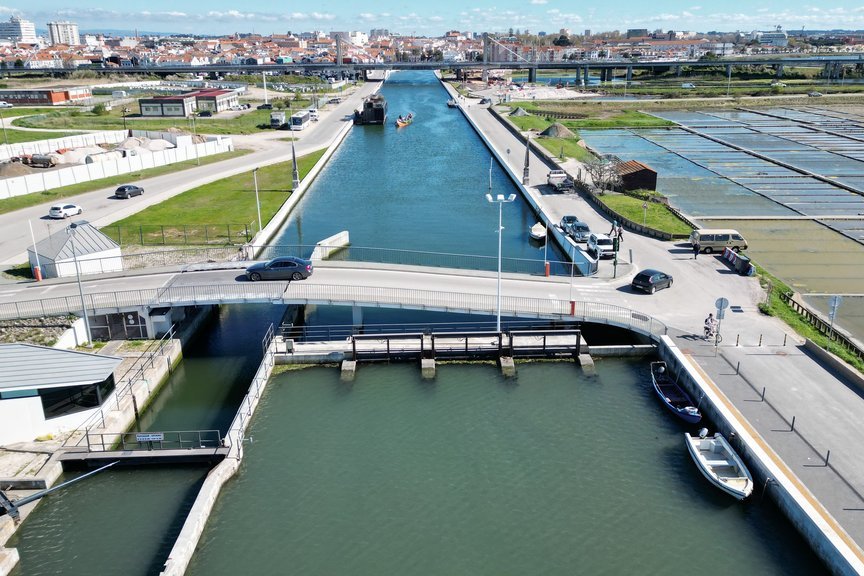
Troncalhada Saltworks Ecomuseum
- An open-air museum dedicated to traditional salt production.
- Showcases the landscape, fauna, and flora characteristic of the salt flats.
- Demonstration of traditional salt harvesting techniques.
-
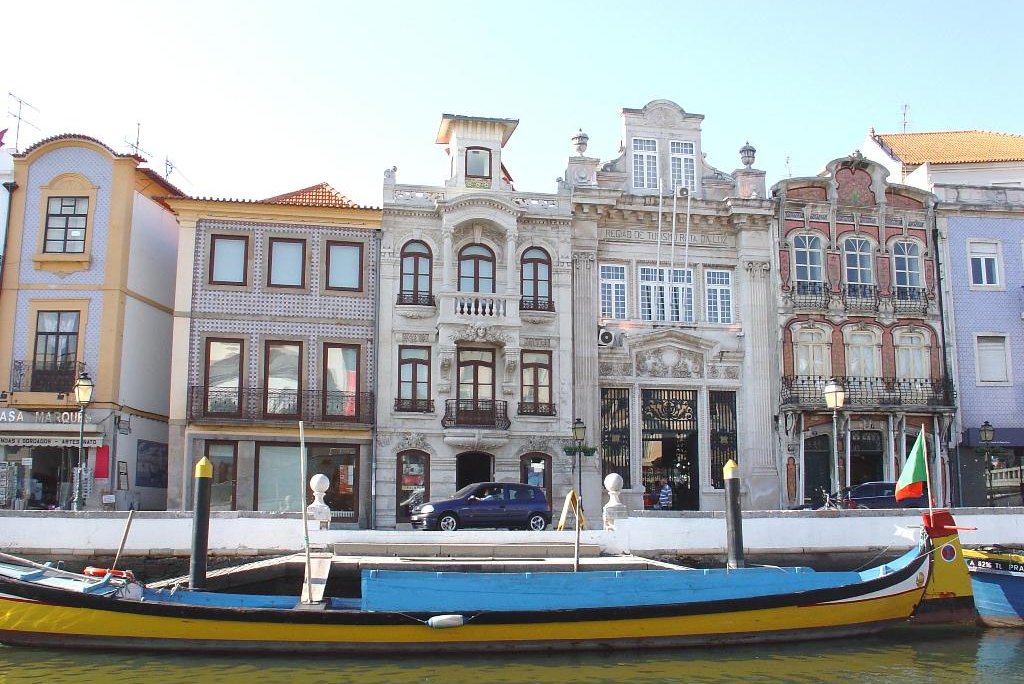
City Museum
- A journey through Aveiro’s history and development.
-
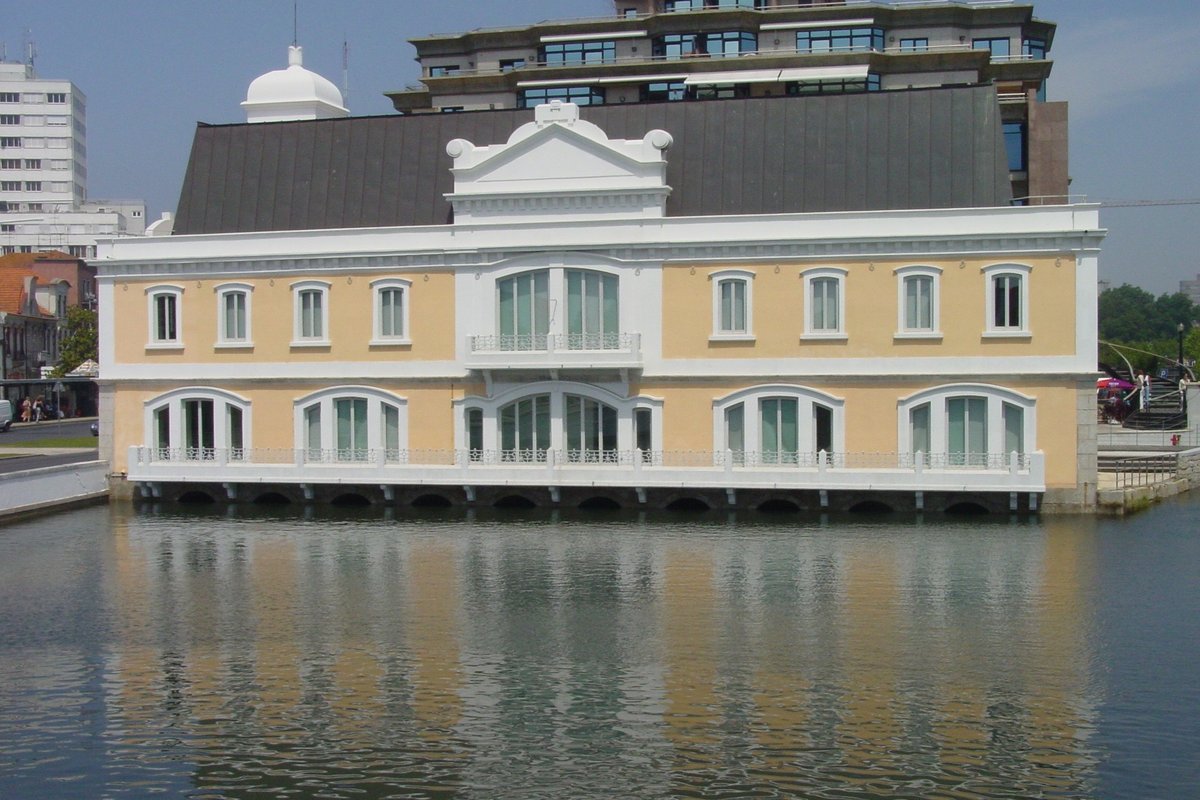
Former Captaincy Gallery
- Space for temporary art and cultural exhibitions.
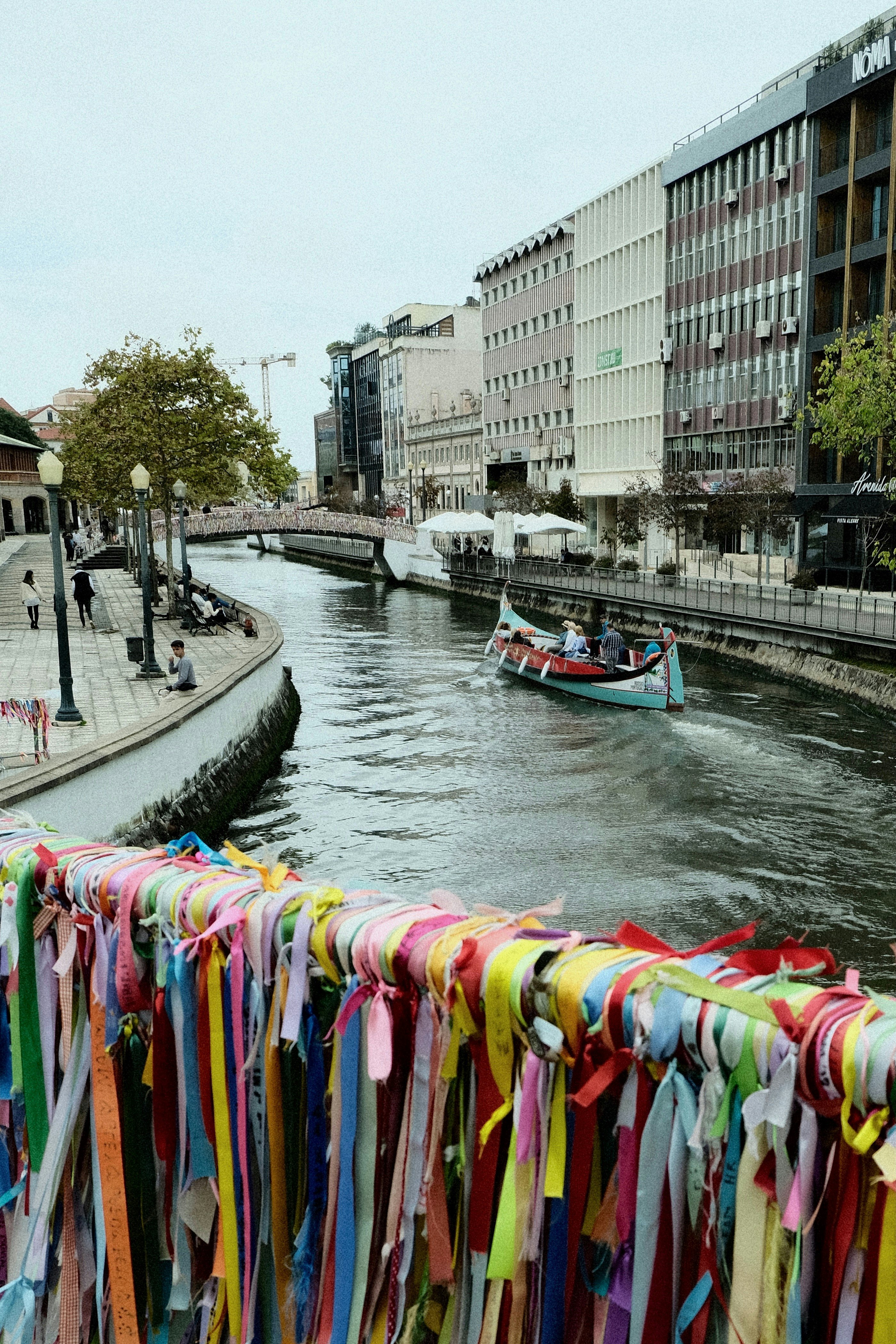
When to go and how to get there
Spring and early autumn are the best times to visit Aveiro. Between March and June, and again in September and October, the weather is mild, the days are long, and the city remains calm, free from the summer crowds. During these periods, the natural light enhances the pastel tones of the buildings, making every photo even more special.
Aveiro is about 1 hour and 30 minutes by car or train from Porto, and just over 2 hours and 30 minutes from Lisbon. The city is compact and easily explored on foot, but public bicycles are available for those who want to cycle along the Ria or follow some of the lagoon’s ecological routes, which range from 130 to 230 km. Favorite spots for a peaceful break include Fórum Aveiro, with its panoramic terrace overlooking the canals, and Parque Infante Dom Pedro, where the elevated walkway and spiral staircase invite quiet contemplation.
Heritage and culture
Aveiro boasts a remarkable architectural legacy, reflecting its conventual past and connection to the arts. The Aveiro Museum, housed in the former Convent of Jesus, is a must-visit. It contains the tomb of Princess Saint Joan, the city’s patron saint, as well as an impressive collection of gilded woodwork, sacred paintings, and decorative elements from the 15th century.
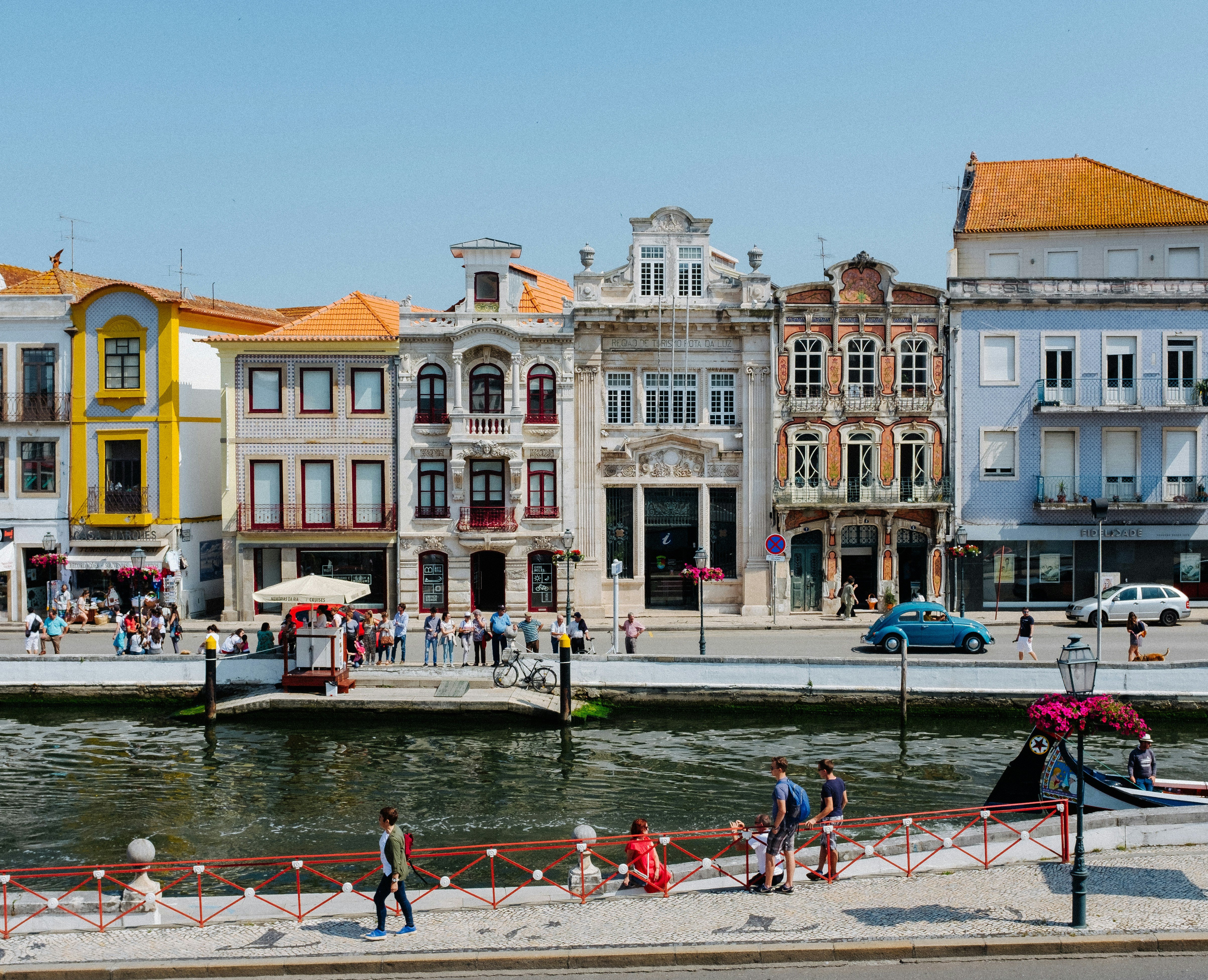
Meanwhile, the Art Nouveau Museum, located in an exemplary Belle Époque building, offers an immersion into the artistic movement that defined the early 20th century, featuring furniture, stained glass, and design pieces that reflect the era’s sophistication.
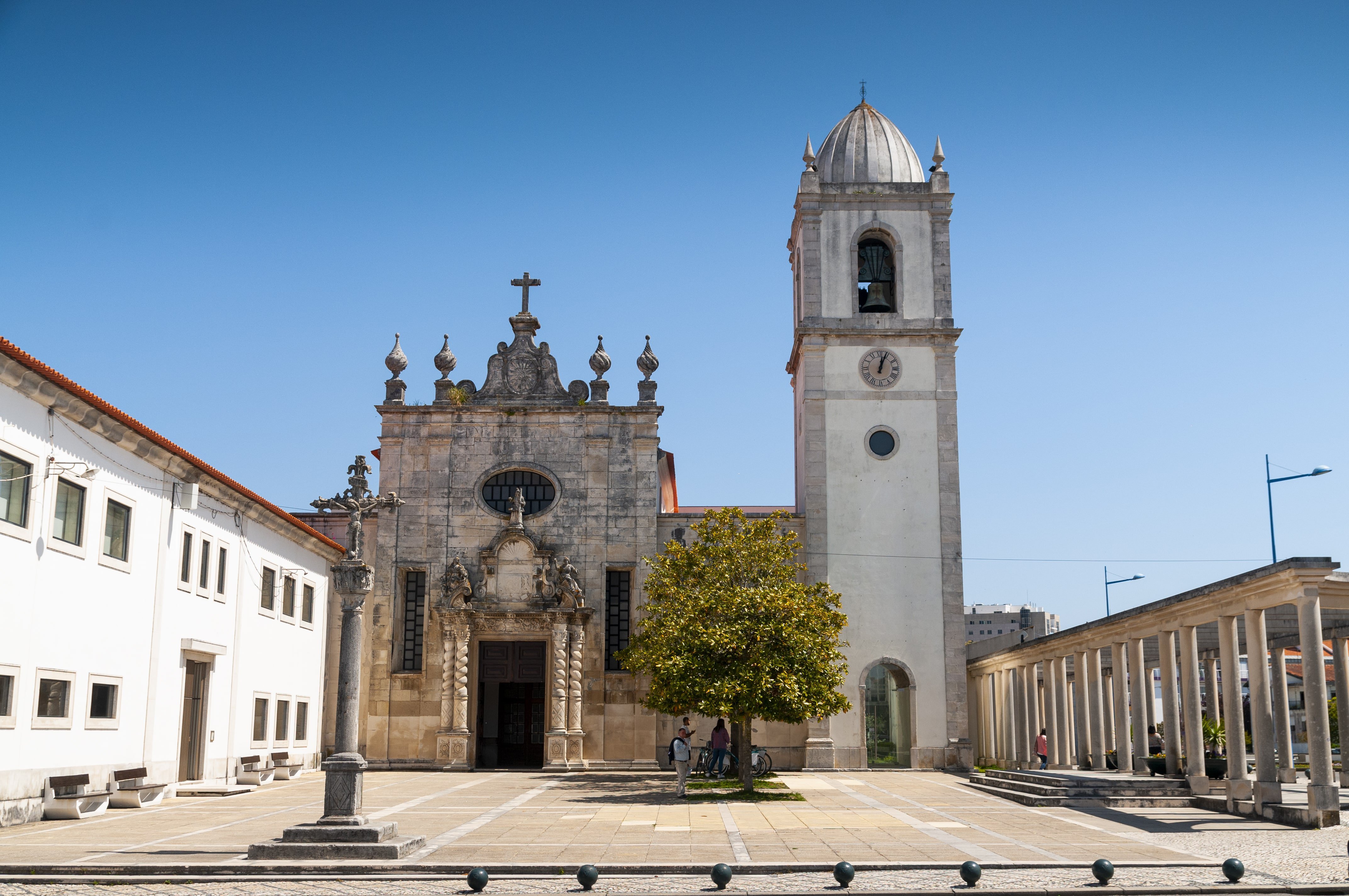
Aveiro Cathedral, also known as the Church of São Domingos, has stood since the 15th century, combining Manueline, Gothic, and Baroque features. Inside, the finely carved stone altars and two organs—one historic and the other installed in 2013—stand out, continuing to resonate in both religious ceremonies and concerts.
Nature, coastline, and authenticity
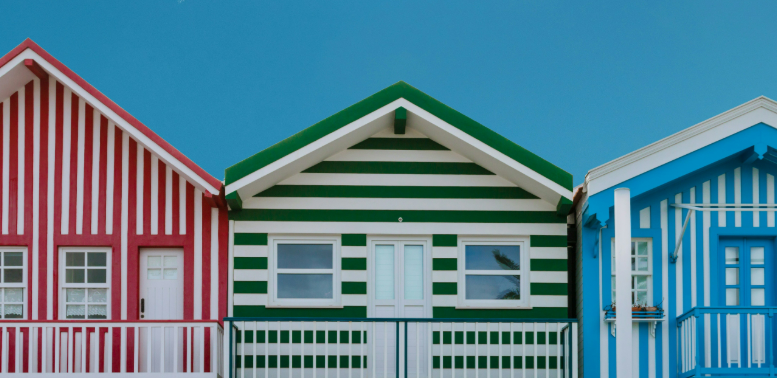
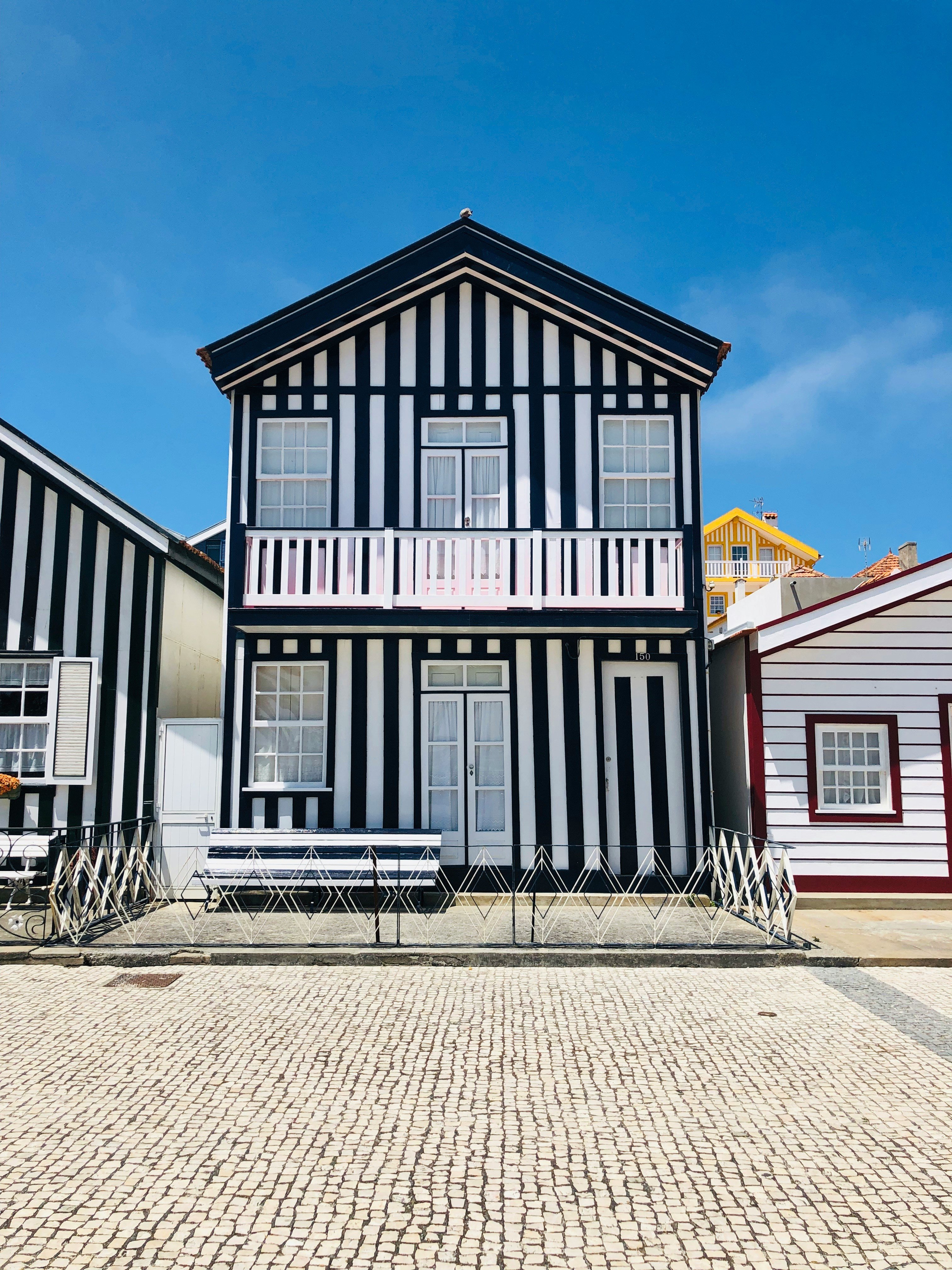
A few kilometers from the city center is the characteristic village of Costa Nova, easily recognizable by the colorful striped houses that line the beach. This area, once occupied by fishermen's warehouses, is now one of the most photogenic settings in the country. Ideal for seaside walks and a relaxed lunch overlooking the ocean.
For nature lovers in its purest form, the São Jacinto Dunes Natural Reserve offers peaceful trails through pine forests, lagoons, and boardwalks over the dunes. The area boasts rich, well-preserved biodiversity, making it an ideal spot for quiet walks and birdwatching.
Another symbol of the region's identity is its traditional salt pans, which are still in operation. Some of them are open to the public and offer guided tours, where you can observe the artisanal process of salt harvesting up close.
Sweet and savory flavors
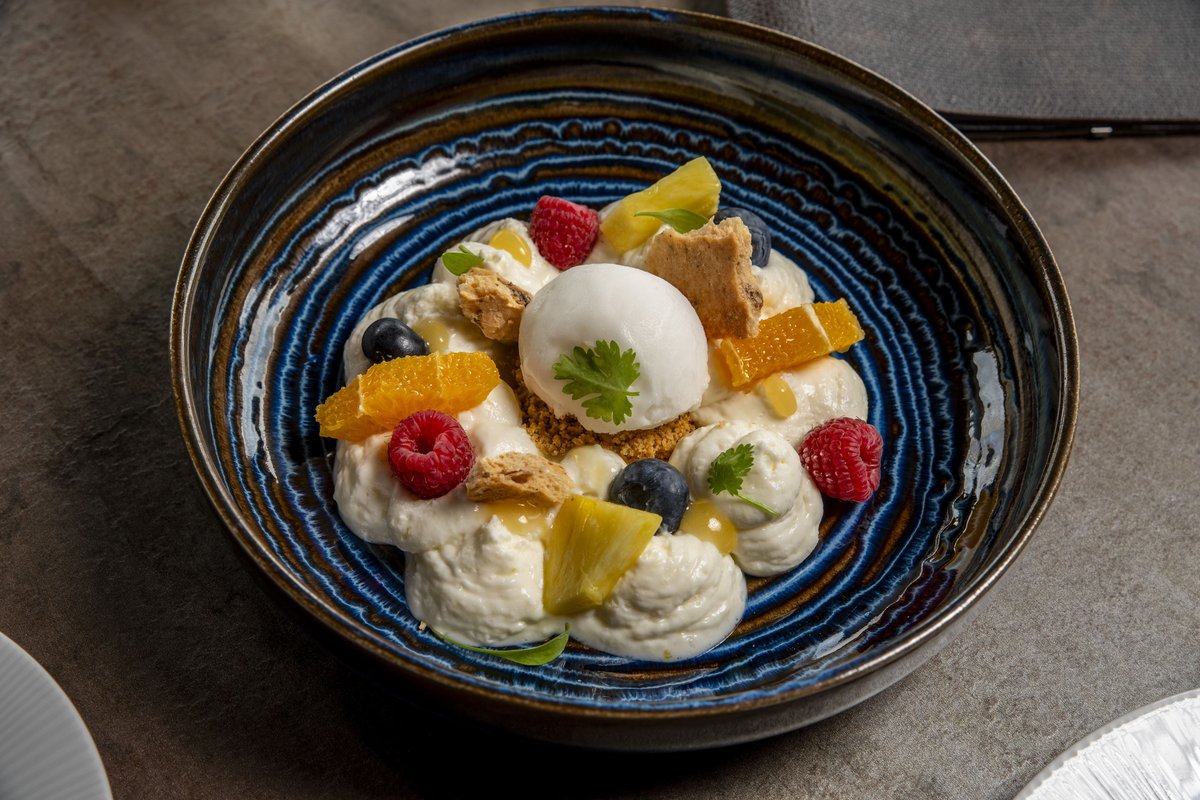
Aveiro’s culinary tradition is rich, deeply rooted in the sea and conventual sweets. Ovos Moles are the city’s signature treat: made only with egg yolks and sugar, wrapped in a delicate wafer, shaped like marine motifs—shells, conches, fish—and sold in decorative boxes. Confeitaria Peixinho, in the historic center, is considered the go-to place to taste this delicacy, which boasts over 150 years of history.
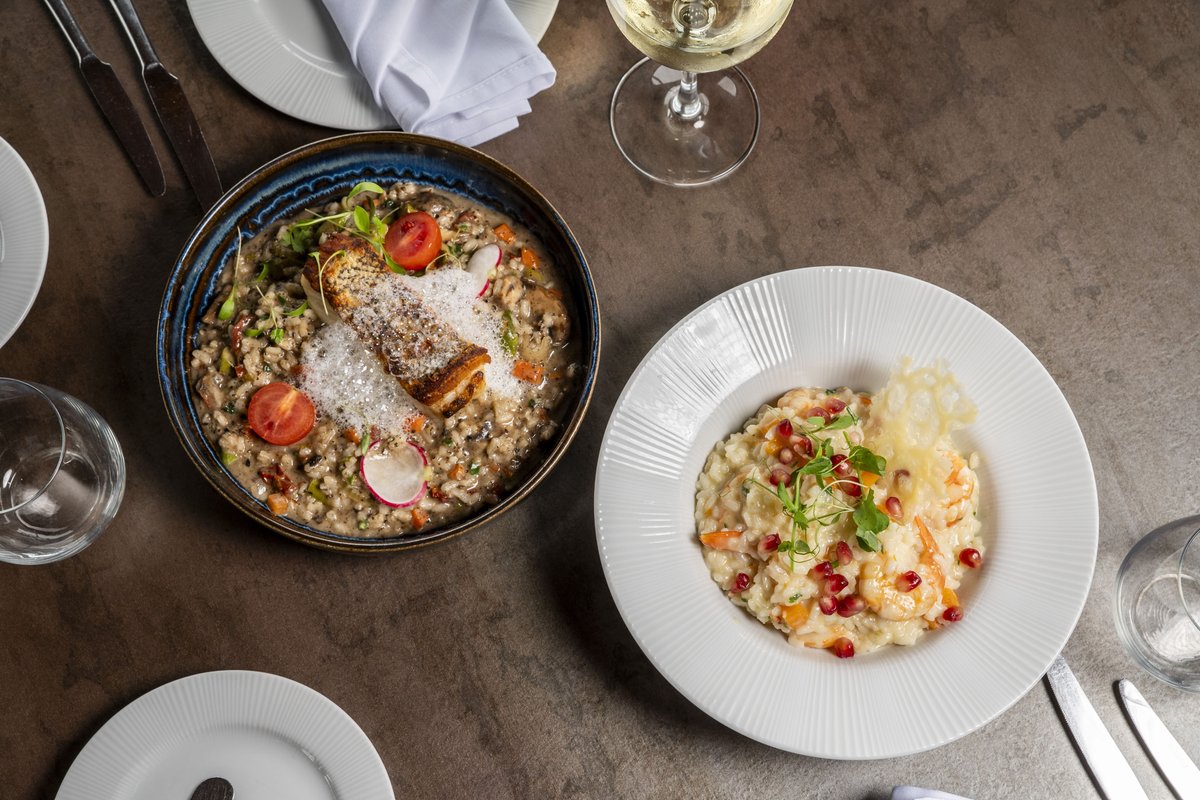
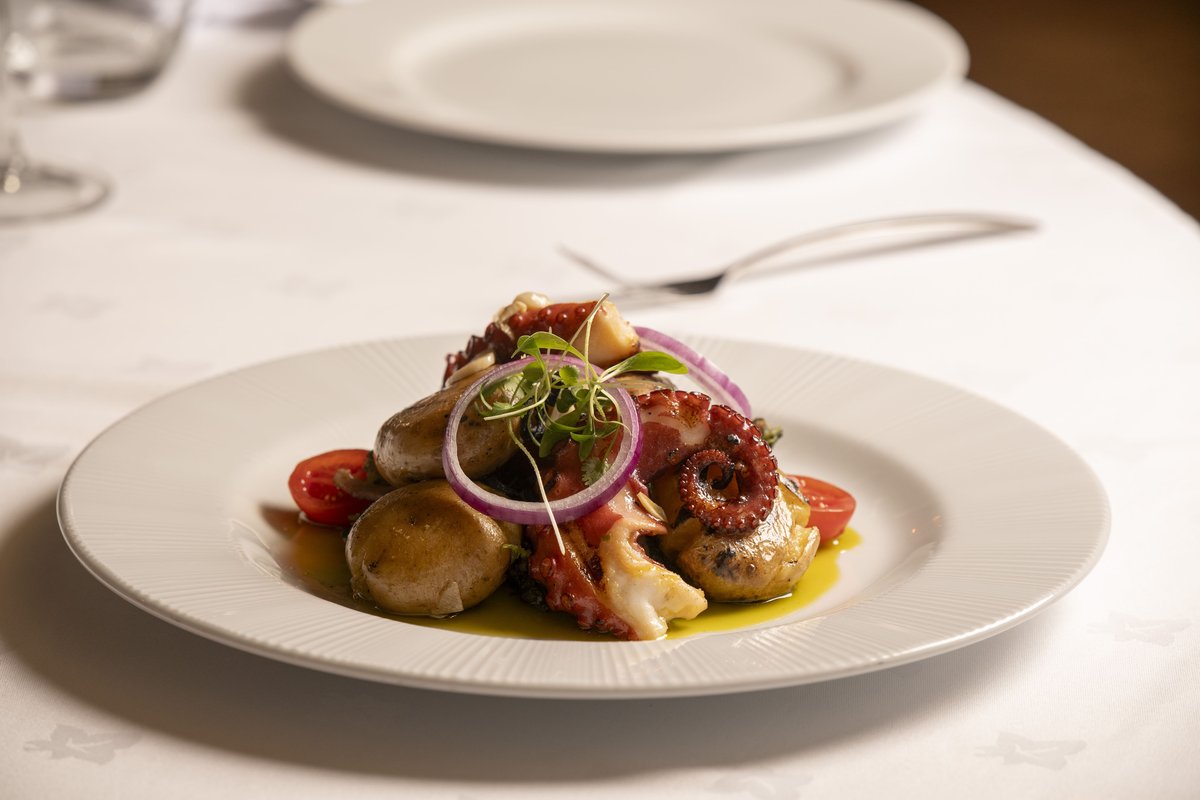
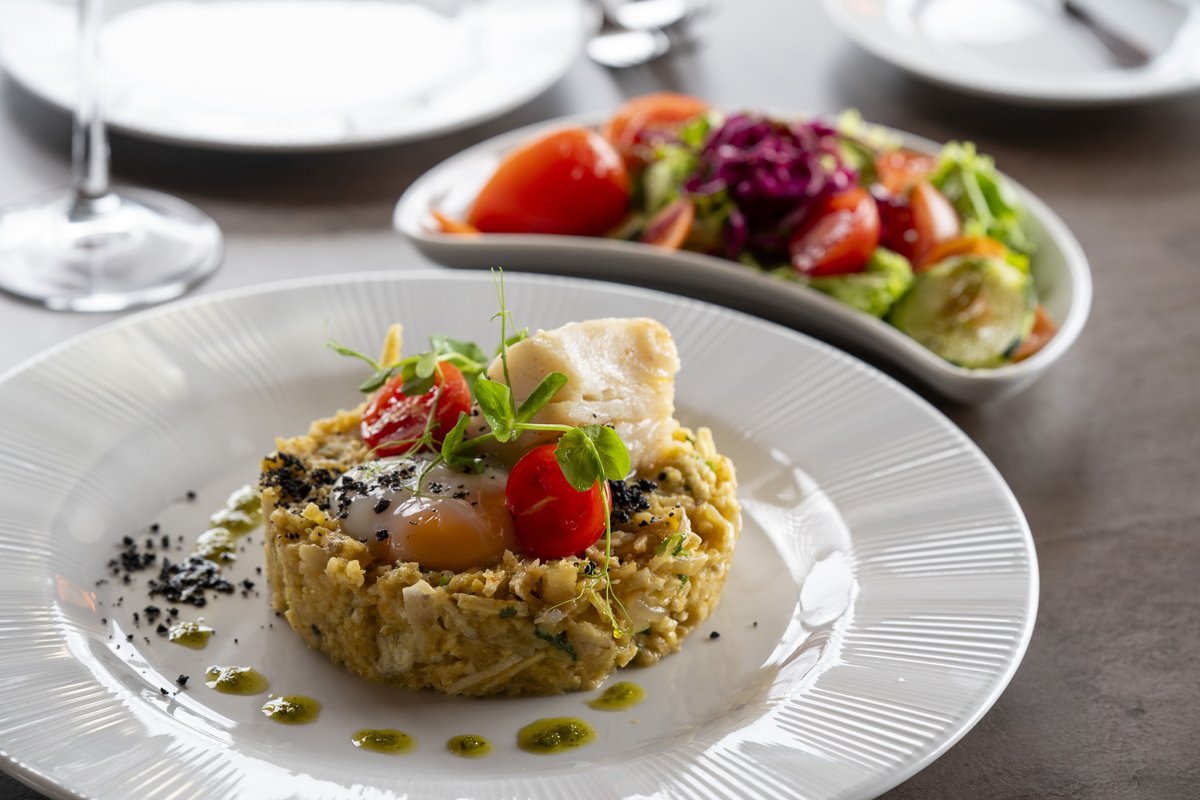
On the savory side, Aveiro offers authentic flavors such as eel stew, Aveiro-style sea bass, and the traditional Bacalhau à Brás.
Restaurant suggestion: Sítio da Pateira